Aerial Intelligence for Emergency Response

Firefighting Drones

Core Functions & Operational Advantages

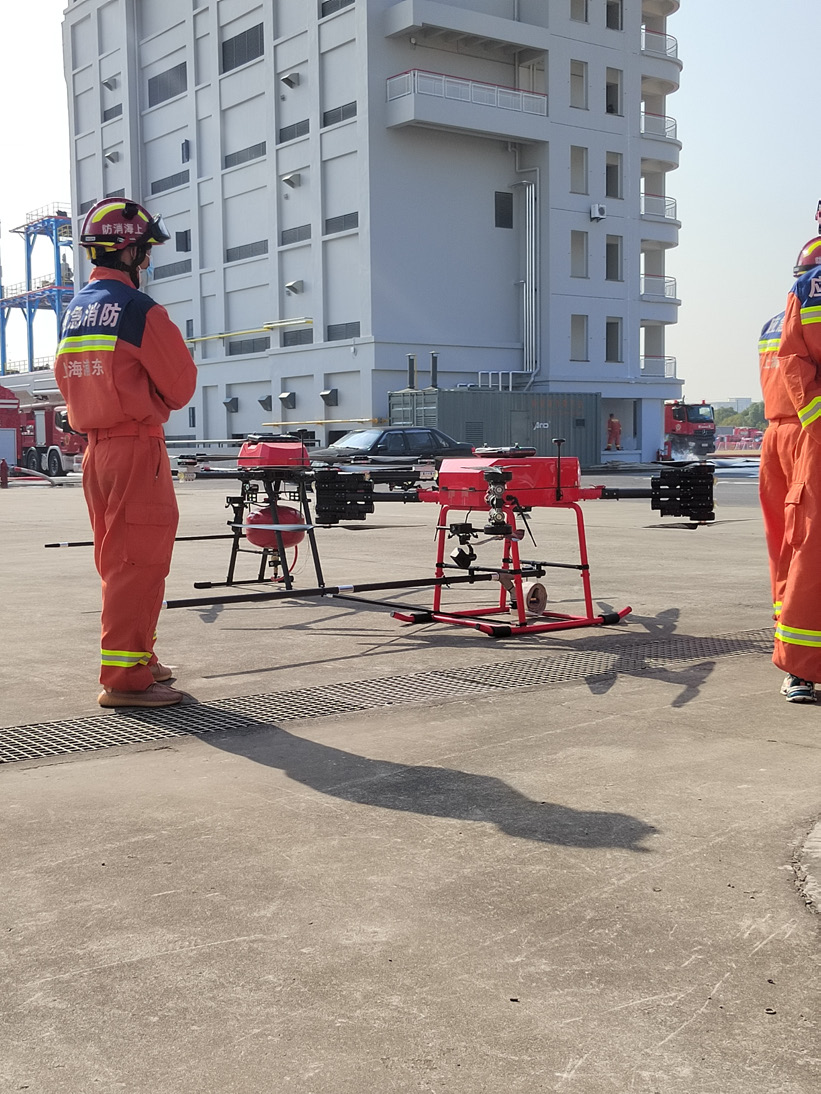
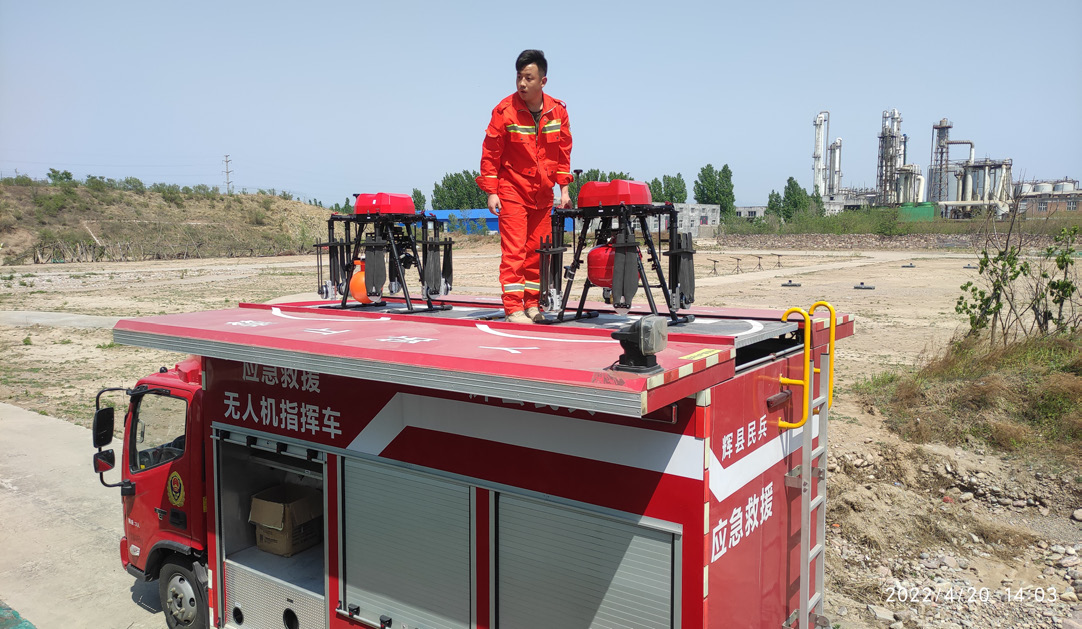
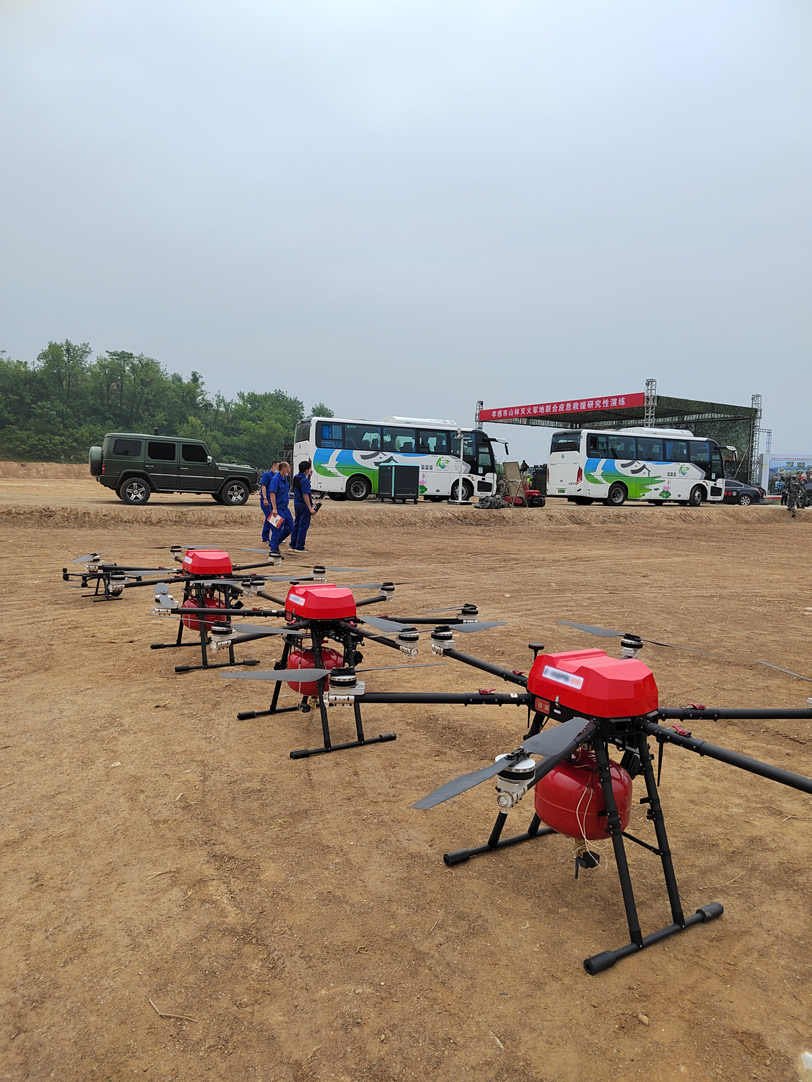
Firefighting drones, or Unmanned Aerial Systems (UAS), provide critical airborne support for fire departments, rescue teams, and disaster management agencies. They deliver real-time situational awareness, enhance operational safety, and perform specific intervention tasks, fundamentally transforming traditional firefighting and emergency response protocols.

Urban/Structural Firefighting

Size-up from above, locate fire spread within a building via thermal imaging, assess roof integrity, search for trapped occupants.

Wildland & Forest Firefighting

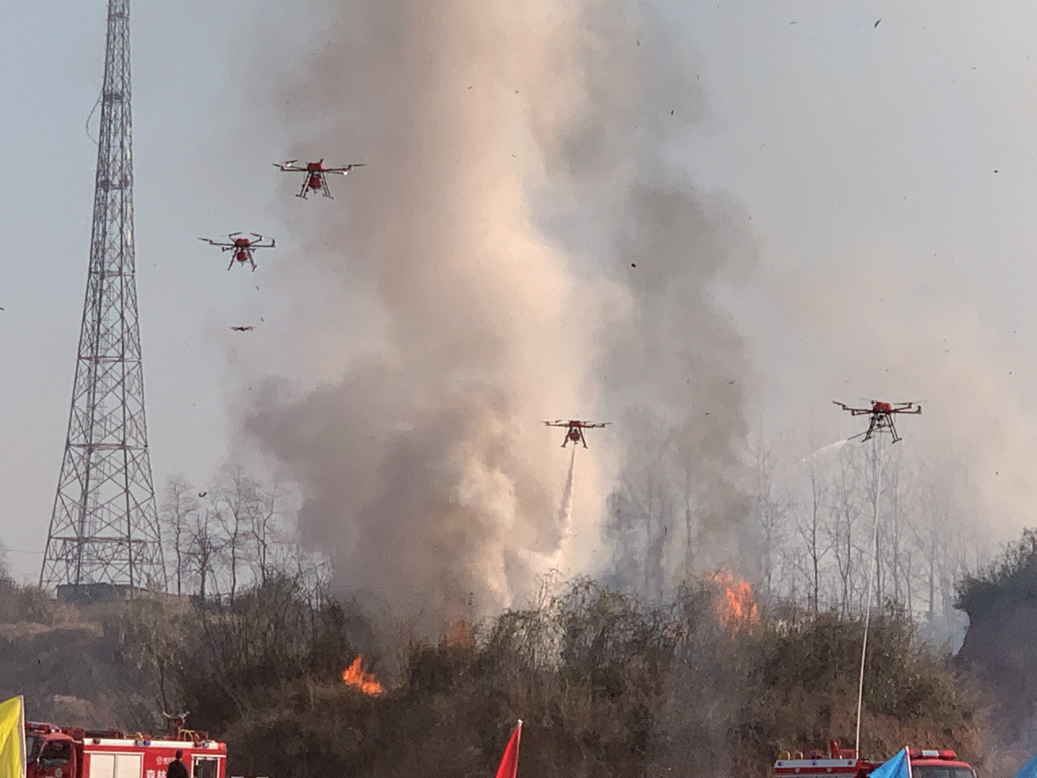
Map fire perimeter, identify spot fires and hotspots, monitor fire behavior and direction, guide ground crews safely.

Industrial & HAZMAT Incidents

Safely inspect chemical plants, refineries, or disaster zones for leaks, structural damage, or hotspots without risking personnel.

Post-Disaster Search & Rescue

Search collapsed structures or flooded areas for survivors using thermal and visual sensors.

01.

Growing Adoption

The market is expanding rapidly. For instance, over 900 fire departments in the U.S. now use drones. The global market for firefighting robots (including drones) is projected to grow at a significant CAGR.

02.

Leading Platforms

DJI is a dominant provider of reliable drone platforms (like the Matrice series) and specialized payloads (like the Zenmuse H20T) used by fire services worldwide. Other players include Autel Robotics and specialized industrial UAS companies.

03.

Procurement Advice for Your Business:

Distinguish between clients needing basic reconnaissance (a robust drone with a thermal camera) versus advanced response (payload delivery, gas detection sensors).

Procurement Advice for Your Business:

  1. Understand Client Needs: Distinguish between clients needing basic reconnaissance (a robust drone with a thermal camera) versus advanced response (payload delivery, gas detection sensors).

  2. Bundle Solutions: Don't just sell hardware. The real value is in the complete solution: drone + appropriate thermal/zoom camera + training + data management software.

  3. Emphasis Compliance & Training: Highlight the importance of FAA/Part 107 (U.S.) or local equivalent certification for pilots and agency-specific operational protocols. Offering or partnering to provide certified training adds tremendous value.

  4. Focus on Ruggedness and Support: Fire departments prioritize reliability in extreme conditions and fast-replacement warranty or support services. Ensure your supply chain can meet these demands.